



News Morocco Cryptocurrencies: Binance’s (BNB) Donations to Morocco, Libya Reflect Growing Crypto Charity

The crypto community has become a prominent contributor to relief efforts for natural disasters, providing direct support to affected regions by utilizing the borderless nature of cryptocurrencies. When tragedy struck two North African countries, Morocco and Libya, in early September, the crypto community was among the first to announce plans to aid affected people via donations. Morocco was shaken by a devastating earthquake, and Libya is dealing with the aftermath of a massive flood. Both caused the death of thousands. To join the relief efforts, global crypto exchange Binance announced last week that it will airdrop free cryptocurrency via its philanthropy arm, Binance Charity. Moroccan and Libyan citizens affected by the disaster can complete the Proof-of-Address (POA) check and receive Binance Coin (BNB-USD) directly to their Binance accounts. In both countries, users from the disaster area will receive $100 worth of BNB, and users from outside can get $10 in BNB. The company has dedicated up to $3 million for Morocco and another $500,000 for Libya. Binance expects to reach around 70,000 users in Morocco and support over 13,000 users in Libya with the airdrop process. Binance CEO Changpeng Zhao, simply known as CZ, asked that exchange users who receive donations but are unimpacted by the earthquake pass the funds on to those in need. Airdrops are a common practice in the crypto world that are used to deliver free crypto assets to early supporters of any given project. However, Airdrops have also become a practical tool in the growing crypto charity efforts as an effective way to directly distribute aid to a much bigger audience without any geographic restrictions. Given how difficult it becomes to access any traditional financial services following a natural disaster, donations using cryptocurrencies have grown in popularity, as they can provide cross-border financial aid to disaster victims in a fast, transparent, and cost-efficient way. In the latest instance, disaster victims from Morocco and Libya can complete a simple address check and receive BNB funds. To validate proof of address, users need to verify their Binance accounts and upload a document proving their residential address. Aside from making it easy to get everyone on board for aid, crypto donations also open a new channel for traditional aid organizations. After an earthquake hit Turkey and Syria in February 2023, more than $10 million in crypto was donated to the crypto wallets shared by major relief aid organizations. Numerous companies from within the crypto ecosystem, including crypto exchanges, Web3 companies, and DAOs (decentralized autonomous organizations), raced to announce support for the relief efforts. Ethereum co-founder Vitalik Buterin alone donated 99 Ethereum (ETH-USD) to Ahbap, a local nonprofit organization in Turkey.During that time, Binance also provided financial aid to its users residing in the region hit by the earthquake in the same fashion —by airdropping $100 worth of BNB tokens to their wallets. A number of local and global crypto exchanges immediately opened public crypto aid wallets for Bitcoin (BTC-USD), Ethereum, Binance Coin, and Binance USD (BUSD-USD) to make it easier for users to join the relief efforts. Crypto can lend a hand to people struggling with human-made disasters as well. Since the Russian invasion started in February 2022, Ukraine has raised over $225 million in crypto donations. As blockchain provides a transparent flow of funds, it’s easy to track where the funds are used. According to Crystal Blockchain, humanitarian initiatives accounted for the majority of donations, with $134 million going to aid people in need, while military-related campaigns raised $91 million. Blockchain, the underlying technology that powers up cryptocurrencies, opens new horizons for global relief efforts by enabling the transfer of any assets globally with negligible costs. By making transactions publicly traceable, blockchain can address the accountability and trust issues of traditional philanthropy. The global and instant characteristics of crypto donations are quickly embraced by both individuals and businesses, triggering significant growth in crypto donation volume despite the long-lasting bear market. Since funds are delivered directly from contributors to those who are in need, crypto charity eliminates the need for any centralized organizations and makes personal donations as efficient as organizational efforts. Disclosure
News Morocco Cryptocurrencies: Morocco Central Bank governor confirms cryptocurrency law in progress

Abdellatif Jouahri, governor of Morocco’s central bank, Bank Al-Maghrib, announced on Tuesday that a draft law regulating cryptocurrencies is undergoing adoption. The draft law will seek to clarify ...
News Morocco Cryptocurrencies: Morocco preparing law to allow cryptocurrencies, central bank chief says
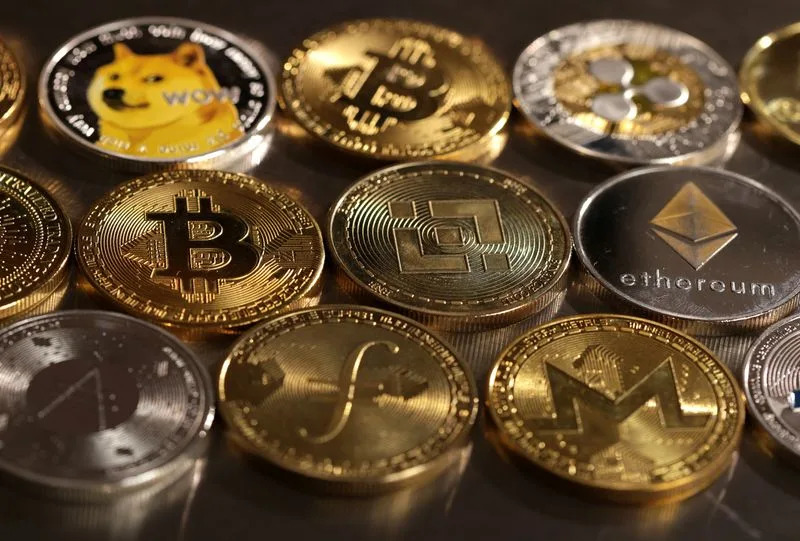
A draft law on cryptocurrencies is undergoing the process of adoption in Morocco, the governor of its central bank, Abdellatif Jouahri, said on Tuesday. Cryptocurrencies have been banned in Morocco since 2017, but the public continues to use them underground, circumventing restrictions. The central bank, known as Bank Al Maghrib, "has prepared a draft law regulating crypto assets, which is currently in the adoption process," Jouahri told an international conference in Rabat.
News Morocco Cryptocurrencies: Morocco's central bank explores digital currency cross-border payments
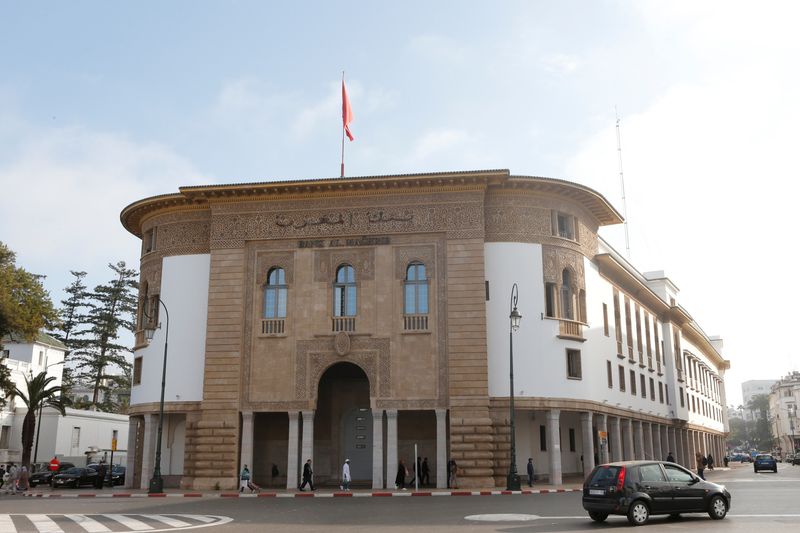
RABAT (Reuters) -Morocco's central bank was exploring the use of its own digital currency for peer-to-peer and cross border payments, bank governor Abdellatif Jouahri said on Monday. A central bank digital currency (CBDC) is controlled by the central bank, in contrast to cryptocurrencies that are usually decentralised. Cryptocurrencies have been banned in Morocco since 2017, but the public continues to use them underground, circumventing restrictions.
News Morocco Cryptocurrencies: Crypto interest in Nigeria remains high, accounting for 67% of Africa’s interest
Nigeria has shown more interest in crypto assets like Bitcoin and Ethereum than any other country in Africa, according to a research report
News Morocco Cryptocurrencies: Rayan: Morocco's agonising wait for news of five-year-old
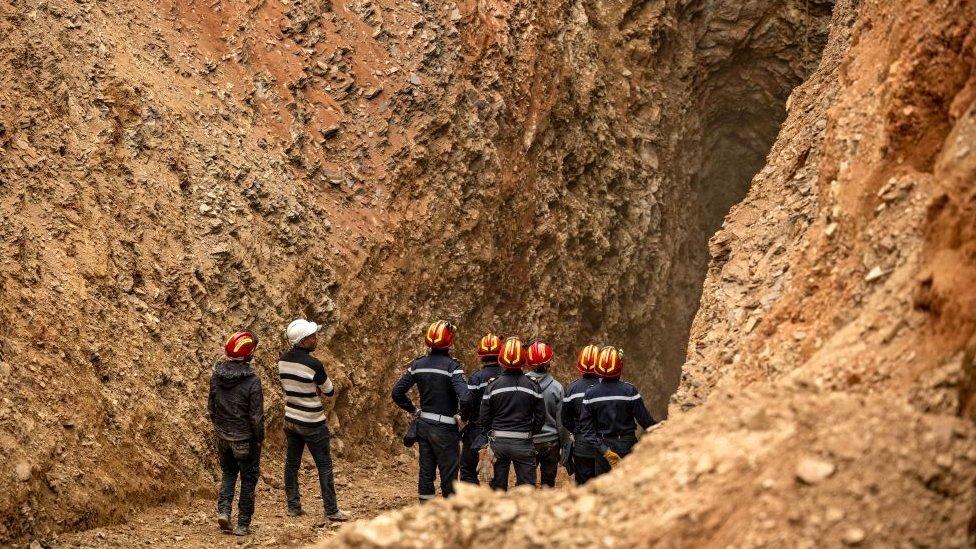
Rescue teams in Morocco spent days trying desperately to reach five-year-old Rayan Oram after he fell into a deep well shaft his father was repairing in the small northern town of Tamorot.
News Morocco Cryptocurrencies: As of 2021, over 50 countries have bans on cryptocurrency
A number of countries have decided to ban cryptocurrencies or heavily regulate these volatile assets for various reasons.
News Morocco Cryptocurrencies: Saudis come third among Arab cryptocurrency owners
There are a total of 453,000 Saudis who own this type of digital currency, according to a report published by TripleA ...

